I am re-reading Chip and Dan Heath’s Switch. The concept in the “direct the rider” section about BRIGHT SPOTS is so compelling that I cannot get the idea out of my mind. Why are we so problem-solving oriented versus bright-spot-reproducing oriented? We should be recreating more of the moments when things work well, when our strengths are revealed and engaged, when our efforts are at our best. We should write and send more “class acts” than “class demerits.” What has made us so focused on locating and addressing “the broken” that it has us habituated to such behavior? At my school, we use teacher peer visits as an element of a growth system. As the peer visits model is expanding,several are resisting the idea. Much of the resistance seems to center around who will read the peer-visit notes. But the peer-visit notes are strength-based…they are bright-spots notes. Yet he habit in people seems to assume that admin is looking for what’s broken. That’s something to fix – the assumption that we are mining what’s broken versus building on what is strong. Here’s to a bright-spots movement!
Tag Archives: brightspots
Protected: Pink mean growth…
Blog Motivation
Since I began this blog, I have struggled with it. I started by thinking that I would try to write what others would want to read. Now, I realize that I will be much more successful if I write what I want to write…and trust that those who are interested will read the blog.
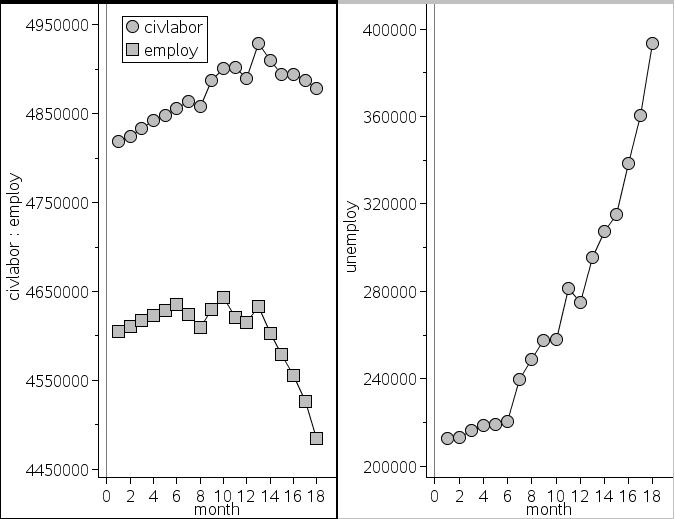
ers who are committed to learning and rethinking the ways we approach and support the classroom. For the past three weeks, we have been exploring the modeling method of instruction. We investigate, discover, record data, collaborate on interpreting the data, and formulate better understandings of the world. An example of such an investigation is illustrated below with some spring oscillation data we have been collecting. What’s more, we work together to devise how we might better create such exciting learning environments and experiences for our students.
statistics in an effort to create a learning experience for Economics 8. The investigation has been captivating and invigorating, and I do not even currently teach a section of Economics 8. My PLC peers have inspired me to explore, to ask questions, and to seek for answers. Isn’t this exactly what we want for our students? What better way to build such opportunities than to participate in such opportunities ourselves.Faculty Goal Setting – WOW!
Lately, if anyone has been waiting on me to return a voice mail or an e-mail, allow me to justify my delay in returning your communication. This 2008-09 academic year marks my sixth year as Junior High School principal at Westminster. For the first time, though, I have set aside most of September to meet with each of the eighty Junior High teachers and support staff and to listen to these educators explain the goals that they have set for the year. WOW! I will soon complete the first week of meetings. What a blessing it is to hear our remarkable teachers review their 2007-08 student course evaluations and relay to me their strengths and challenges as teachers. Everyone thus far has detailed the reflective lessons that they are gleaning from students’ feedback. Most impressively, each teacher is communicating concrete ways in which he or she plans to enhance the curriculum, to connect better with students, or to increase one’s responsiveness to the specific needs of the various learners in class. Every afternoon, I have left school feeling enriched by the conversations and insights that the Junior High faculty are sharing. Clearly visible, these teachers maintain superlative hopefulness for the learners that they feel genuinely called to teach. A positive atmosphere permeates my office because of the ambitious work that the Junior High teachers commit to undertaking during this wonderful and critical time in the lives of our middle school students.