Whatever it is I think I see becomes a PBL to me! [sung to the tune of 1977 Tootsie Roll commercial embedded below]
If you were alive and watching TV in the mid to late 1970s, then perhaps you remember this 30 second advertisement from Tootsie Roll…
Simply replace “tootsie roll” in the jingle with “PBL.” Occasionally, my wife and sons will catch me singing this around the house. Truly, just about everything I see becomes a PBL idea to me. This visioning, though, is the result of purposeful and deliberate practice, as I have tried to grow in my capacity to develop “uppercase PBL” opportunities.
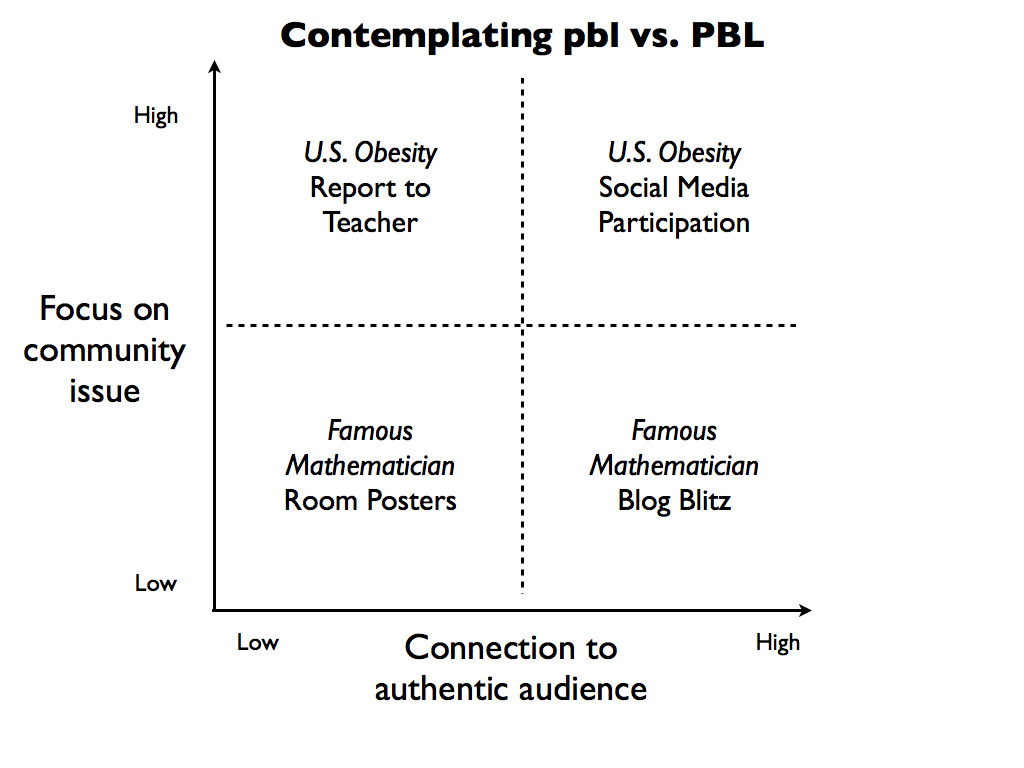
On January 4, 2012, I published a blog post about “Contemplating pbl vs. PBL.” In the post, I constructed a two-by-two matrix that helps explain how I think one can move along a spectrum of “lowercase pbl” (essentially project-oriented learning) to “uppercase PBL” in which learners are addressing genuine community challenges and engaging with authentic audiences of co-interested citizens. But how does one even think of such capital PBL ideas?
Based on countless conversations over the past few years, I get the feeling that more than a few educators struggle with the notion of originating and implementing uppercase PBL ideas. Actually, I think the struggle resides more in the implementation than in the origination, but that may need to be its own separate blog post. For now, let’s stick to the topic of originating, or concepting, the uppercase PBL ideas – creating the grand challenges that tend to integrate studies and promote community engagement from our student-learners and ourselves.
A Habit of Seeing and Recording
Concepting and brainstorming ideas for PBL is as simple as developing a habit of seeing and recording. Some may feel that such is easier said than done, but I believe it is really that easy. To form a habit, of course, one must commit to trying and rehearsing. Anyone with vision can develop a habit of seeing and recording, but it does take practice – just like anything else. In today’s world, though, the tools at our disposal make it easier and easier to develop a habit of seeing and archiving potential PBL ideas. Keeping a digital observation journal is a fabulous practice and discipline, if you want to build a resource pool of possible PBL opportunities.
I imagine there are countless ways to keep an observation journal. In essence, though, an observation journal is simply a space in which to record thoughts, questions, and images about the things that one sees while walking around. Because I almost always have my iPhone in my pocket, I rely heavily on this tool to keep my observation journal. As I walk around school and the greater Atlanta area, I often take pictures of things that raise my curiosity. For example, over the Christmas and winter break, I walked my dog quite a bit, and I captured the following images around a few bridges traversing Nancy Creek – the bridges are very close to my school, and Nancy Creek runs through my school campus.

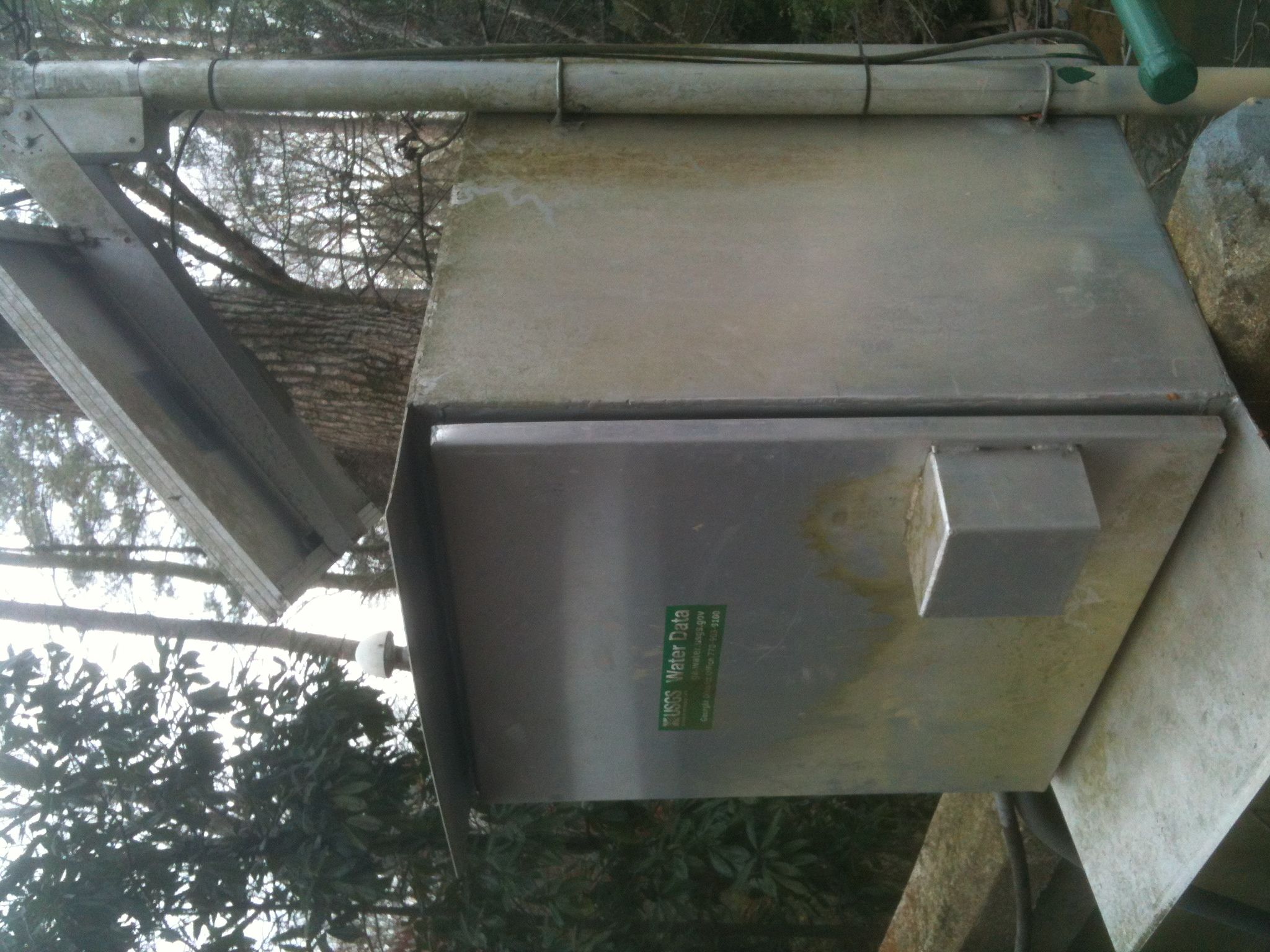


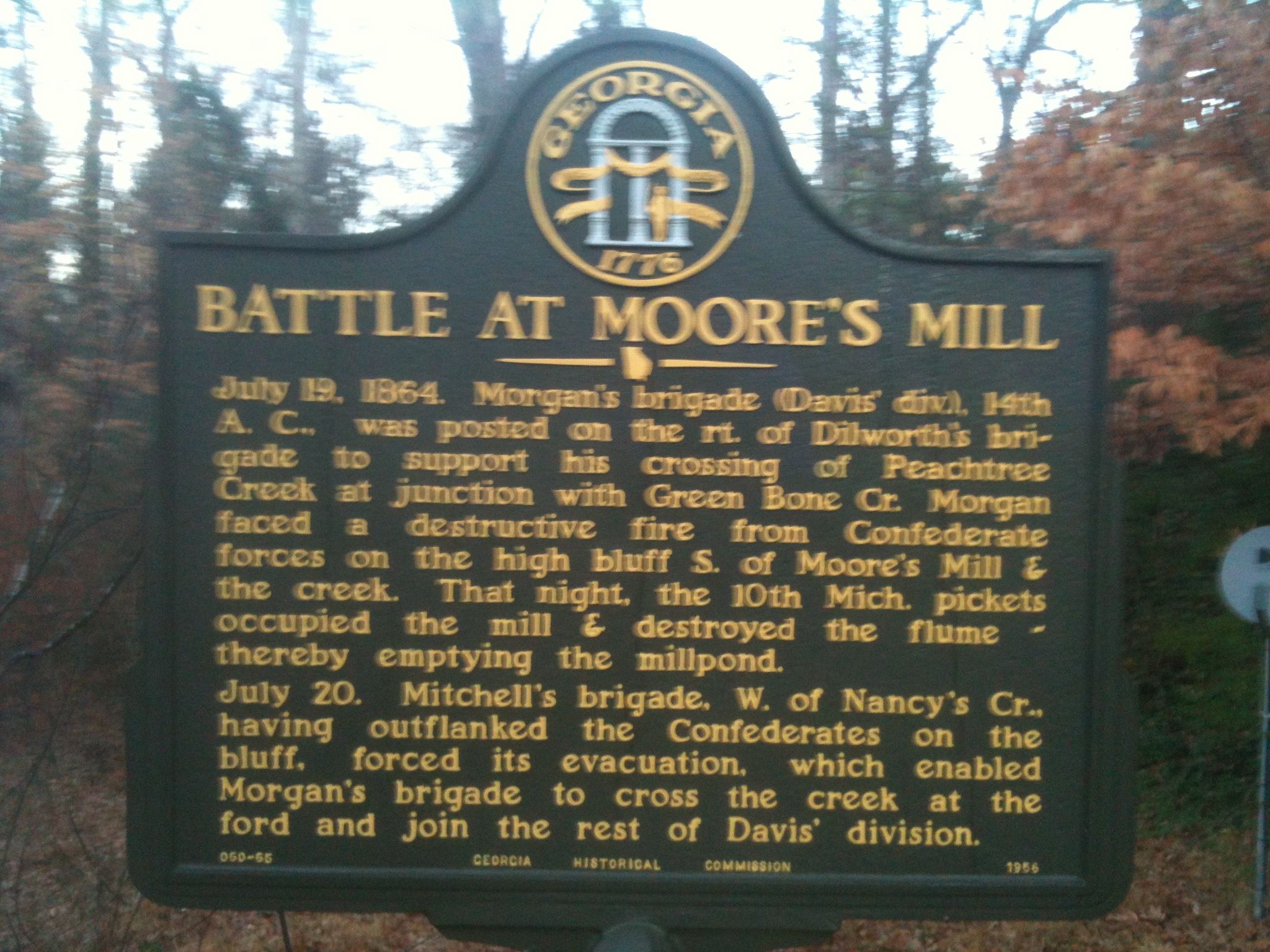
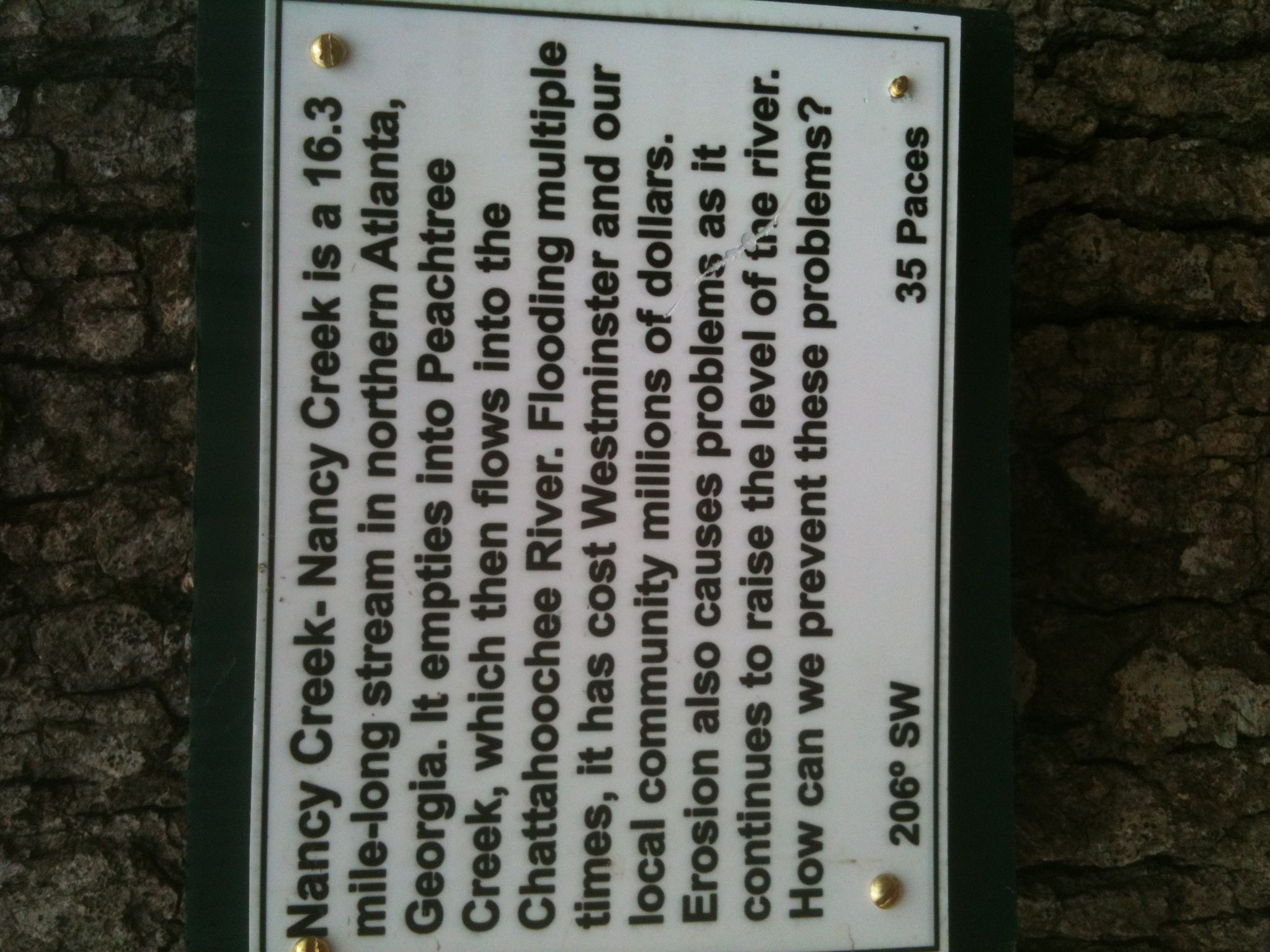 Just from recording these images with my iPhone, I am wondering about fieldwork investigations of the science, math, economics, and history of Nancy Creek. Myriad questions come to mind…
- What is the water quality of Nancy Creek? How does it change over a year’s cycle? What kind of life is supported by Nancy Creek? Is it safe for my boys and dog to play in Nancy Creek?
- What data is collected by that big metal box? How does it collect the data? Where does the data go? Who uses the data and how is it used? How could schools help the organization named on the sticker? Could students participate in this data journalism of Nancy Creek?
- What was the significance of the Nancy Creek area during the Civil War? What is it’s economic and ecological significance now?
Often, to record these images and questions, I upload my pictures and observations to an email-based blog system called Posterous. Then, with categories and tags added, I am developing a significant library of PBL ideas. In Synergy, we use a group Posterous account (see related post) so that all 26 of us are contributing to the pool of potential project ideas. During the first semester, we accumulated over 400 observation-journal posts. Out of those posts, we developed six projects together.
Imagine if a school faculty and/or the entire student body employed such a school-group Posterous (or any such collaborative tool for seeing and archiving) to collectively organize a virtual fleet of observation journal ideas! The PBL opportunities could be endless!
To develop such a habit of seeing and recording is to follow the initial practices espoused in design thinking:
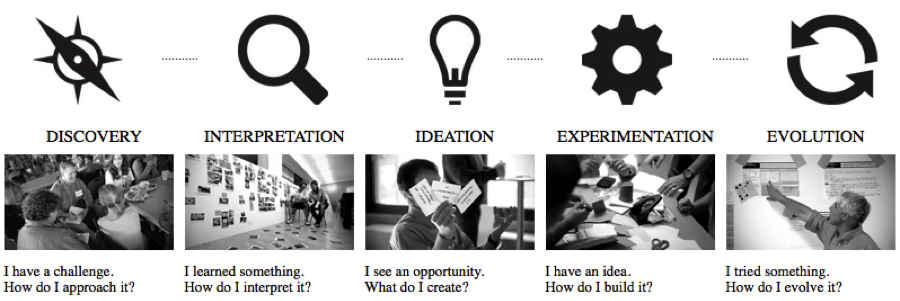 At Design Thinking for Educators, where the above image was screen captured, this five-stage process of designing is more fully explained. For now, though, just think of observation journaling as a means into “discovery and ideation.” As one takes pictures and records questions for one’s observation journal, one is also engaging in a bit of “interpretation.” By posing questions and potential research curiosities, we begin to interpret what we are seeing, as we begin to formulate what projects could emerge from such wondering. To engage in such design thinking is to return to our roots as childhood learners. As Robert Fulghum has said, “LOOK!” may be the most powerful word we articulate (after mama and dada, of course!). And Mary Ann Reilly, in a recent post about “Making Art & (In)Forming Life,” reminds us of the power and potential of observation. We just have to re-open our eyes to that which we might have started to take for granted. We need to teach ourselves to see again…with that childhood enthusiasm for discovery!
A Key for Innovation
Relearning and leveraging our amazing human capacity for seeing is not just a fun way to generate ideas and enjoy the possibilities of challenge in school curricula and instruction. Seeing – as a multi-step, complex system of discovery, interpretation, and ideation – may be the key to educational innovation. In my eyes, innovation is about dreaming, teaming, seaming, and streaming. To dream is to envision. To dream is to “see” with more of our senses and being. To dream is to contemplate what could be.
May we dream big for our schools and our students. May we dream big for the challenges our world faces. Here’s to seeing…together.
LOOK!
[For more about PBL ideation, see the Buck Institute for Education resources, and the Apple Challenge Based Learning resources. I turn to these resources quite a bit!]
[Cross-posted at Inquire Within on September 3, 2012.]
 it's about learning